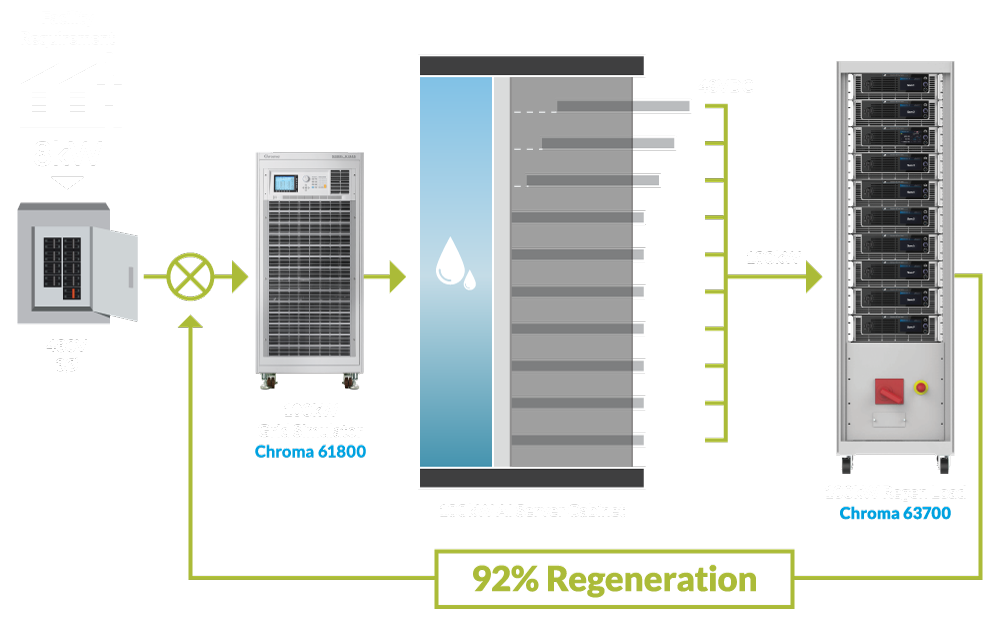
DC Power Supply & Testing Knowledge Hub
Explore technical guides, engineering articles, and calibration insights written by industry experts at Zeal Manufacturing.
Linear vs SMPS Power Supplies & High Voltage Testing
Deep dives into noise regulation, custom power supply configurations, and safety testing standards for laboratories.
Precision Calibration & Industry Solutions
Articles on high-precision electronic test standards and custom equipment design for global applications.
Top 7 Tips for Choosing SMPS Based DC Power Supply?
Table of Contents
- Understanding the Basics of SMPS and DC Power Supplies
- Identifying Your Power Requirements and Specifications
- Evaluating Efficiency Levels and Thermal Management
- Assessing Safety Standards and Compliance in Power Supplies
- Considering Size, Form Factor, and Mounting Options
- FAQS
- Conclusion
- Related Posts
Choosing the right SMPS Based DC Power Supply can significantly impact your project's success. According to Dr. Emily Zhang, a leading expert in power electronics, "The efficiency and reliability of an SMPS power supply can make or break your design." Her insights emphasize the importance of careful selection.
In today’s fast-paced technology landscape, decisions must be informed by expertise. Understanding your application's requirements is crucial. Power supply selections are often overridden by specifications that may appear attractive but fail in practical application.
Choosing an SMPS Based DC Power Supply involves more than just looking at numbers. Experts recommend evaluating factors like load requirements, environmental conditions, and budget constraints. By doing this, you ensure reliability and efficiency, setting a solid foundation for your project.
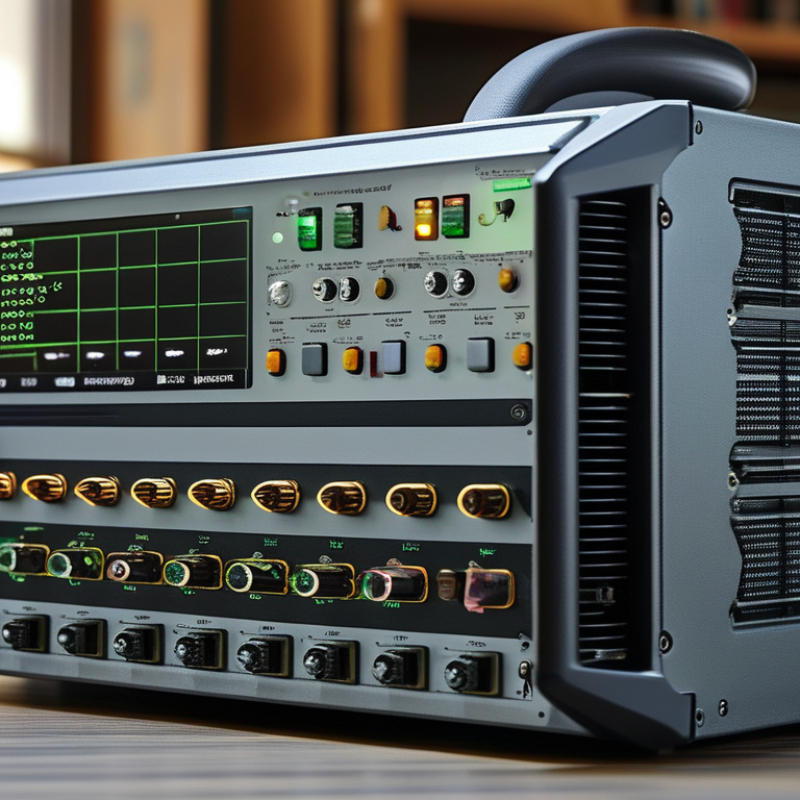
Understanding the Basics of SMPS and DC Power Supplies
When selecting a switch mode power supply (SMPS) based DC power supply, understanding the fundamentals is crucial. SMPS technology is efficient, converting high voltage AC to low voltage DC. They achieve this using high-frequency switching, which results in less heat production compared to linear power supplies. A key aspect of choosing an SMPS is to assess its efficiency and load regulation. A reliable power supply maintains stable output voltage even with varying loads.
Consider the input voltage range. Make sure the SMPS can handle the voltage supply available in your application. This flexibility ensures durability and reduces the risk of failure. Inspecting the output ripple is also essential. A good SMPS produces minimal ripple, leading to cleaner power for sensitive devices. Check if the power supply meets relevant safety and performance standards.
Thermal management is another important factor. Design should include cooling mechanisms to prolong lifespan and reliability. Reflect on the size and weight of the power supply, as compact designs are often beneficial in space-constrained applications. Finally, evaluate the manufacturer’s support and warranty. A reputable manufacturer usually indicates a reliable product. Remember, choosing an SMPS involves consideration and due diligence to avoid the pitfalls of poorly performing supplies.
Identifying Your Power Requirements and Specifications
When choosing an SMPS-based DC power supply, understanding your power requirements is crucial. Begin by evaluating the voltage and current specifications needed for your project. Consider how your devices will operate under varying loads. For instance, a power supply that delivers 12V with a maximum current of 5A will be inadequate if your device occasionally requires 6A. Analyzing these nuances helps prevent circuit failures and inefficiencies.
Next, take into account the power supply efficiency. This aspect is often overlooked. An inefficient supply generates excess heat, which can degrade performance. Ensure your supply operates at high efficiency, ideally above 80%. Additionally, examine the power factor. A low power factor may lead to higher energy consumption, impacting overall cost-effectiveness.
Don’t ignore environmental conditions either. High temperatures or humidity can affect reliability. Many power supplies have temperature ratings; knowing these can save you from unexpected failures. An outdoor project may require more robust protection than an indoor one. Misjudging this could lead to regrets later on. Always review recommendations and datasheets carefully, as they hold valuable insights into performance and limitations.
Evaluating Efficiency Levels and Thermal Management
When selecting an SMPS-based DC power supply, it’s crucial to evaluate efficiency levels. Efficiency determines how much input power is converted to output power. Higher efficiency reduces your energy costs and minimizes heat production. This balance is essential for effective thermal management. Consider power supply units that guarantee high performance under varying loads.
Monitoring thermal performance is vital. Excessive heat can shorten the lifespan of your power supply. Look for features like adjustable fan speeds or heat sinks that enhance cooling. These elements can significantly improve reliability. Pay attention to the ambient conditions where the power supply will operate. Poor thermal management in tight spaces can lead to overheating.
To ensure you choose the right unit, analyze your specific needs. If your application demands a wide input voltage range, select a power supply that excels in this aspect. Remember to check the output stability, as fluctuating voltages can affect your devices. Assessing these factors leads to more informed decisions and greater efficiency. Investing time in research pays off in the long run.
Efficiency Levels and Thermal Management of SMPS Based DC Power Supplies
Assessing Safety Standards and Compliance in Power Supplies
When choosing a DC power supply, safety standards are paramount. These standards ensure the reliability and longevity of your equipment. Many manufacturers claim compliance, but it’s essential to verify these claims. According to recent industry reports, approximately 30% of power supplies on the market do not meet critical safety regulations.
Understanding safety certifications is crucial. Look for certifications like IEC 60950 or UL 60950. These certifications guarantee that the power supply has passed rigorous safety tests. Additionally, consider the Mean Time Between Failures (MTBF) rate. A higher MTBF often indicates better design and manufacturing practices. Reports indicate that devices with a high MTBF can reduce operational costs by up to 25%.
Documentation is another key factor. A reliable power supply should come with comprehensive documentation detailing its compliance. However, many users overlook this aspect. They assume safety certifications are adequate proof. Yet, without detailed reports, it’s hard to assess actual performance. This lack of transparency can lead to costly mistakes. Always demand documentation to ensure adherence to safety standards.
Considering Size, Form Factor, and Mounting Options
When selecting an SMPS-based DC power supply, size and form factor play crucial roles. The footprint is often restricted by the space in your project. Therefore, a compact design allows it to fit snugly into enclosures or mounted on PCBs. Consider the dimensions carefully. A thorough understanding of the spatial constraints can guide you to a more efficient solution.
Mounting options also require attention. Whether you choose a panel mount, DIN rail, or open frame, each method impacts installation and accessibility. For instance, a panel mount can be handy for easy access and maintenance. On the other hand, DIN rail options offer flexibility in industrial settings but may come with extra installation overhead. Weigh the pros and cons of each option.
Be mindful that the chosen power supply should not only fit physically but also meet thermal and electrical needs. Cooling mechanisms must be integrated properly yet unobtrusively. Balancing these parameters is not always straightforward. Design iterations may be necessary. An evolving design approach can lead to a more robust and adaptable power supply solution.
Top 7 Tips for Choosing SMPS Based DC Power Supply
| Dimension | Recommendation | Notes |
|---|---|---|
| Size | Compact units are preferable for space-constrained applications. | Consider the overall volume to ensure fit in the intended space. |
| Form Factor | Choose between open-frame, enclosed, or DIN-rail mount types. | The form factor affects installation and cooling. |
| Mounting Options | Select based on your equipment layout: panel mount, rack mount, etc. | Ensure easy access for maintenance. |
| Efficiency | Look for high-efficiency ratings to minimize heat generation. | Higher efficiency can lead to lower operational costs. |
| Input Voltage Range | Ensure compatibility with the available input power.' | Wide input range can provide more flexibility. |
| Protection Features | Consider models with overvoltage, overcurrent, and thermal protection. | Enhances system reliability and longevity. |
| Cost | Balance cost and quality; avoid overly cheap models. | Investing in quality can save costs in the long run. |
FAQS
: An SMPS converts high voltage AC to low voltage DC using high-frequency switching. This process reduces heat production.
High efficiency means more input power is converted to output power. This reduces energy costs and minimizes heat production.
Check if the power supply maintains stable output voltage with varying loads. Stability ensures reliable performance for sensitive devices.
Look for cooling mechanisms like heat sinks. Excessive heat can shorten the lifespan, especially in tight spaces.
Ensure the SMPS accommodates your application’s input voltage. Flexibility reduces the risk of failure under various conditions.
A low power factor can lead to higher energy consumption. This impacts the overall cost-effectiveness of your power supply.
Know the temperature and humidity ratings. Outdoor projects may need more protection to avoid unexpected failures.
Assess voltage and current specifications carefully. Misjudgments can lead to inadequate performance, causing regrets later.
A reputable manufacturer can indicate a reliable product. Always check for support and warranty terms for long-term assurance.
Inspect the output ripple of the power supply. Minimal ripple ensures cleaner power, which is crucial for sensitive devices.
Conclusion
When selecting an SMPS Based DC Power Supply, it is essential to grasp the fundamentals of switched-mode power supplies (SMPS) and their application in DC power delivery. Start by clearly identifying your power requirements, including voltage, current, and load types. Evaluating the efficiency levels is crucial as it impacts not only energy consumption but also thermal management. Effective heat dissipation strategies help in maintaining performance and prolonging the life of the power supply.
Additionally, assessing safety standards and compliance ensures that the power supply meets regulatory requirements for safe operation. Finally, consider the size, form factor, and mounting options to ensure compatibility with your setup. By taking these factors into account, you can make a more informed decision when choosing the ideal SMPS Based DC Power Supply for your needs.

Blog Tags: