DC Power Supply & Testing Knowledge Hub
Explore technical guides, engineering articles, and calibration insights written by industry experts at Zeal Manufacturing.
Linear vs SMPS Power Supplies & High Voltage Testing
Deep dives into noise regulation, custom power supply configurations, and safety testing standards for laboratories.
Precision Calibration & Industry Solutions
Articles on high-precision electronic test standards and custom equipment design for global applications.
How to Choose the Best Dual DC Regulated Power Supply?
Table of Contents
- Understanding the Basics of Dual DC Regulated Power Supplies
- Key Specifications to Consider When Choosing a Power Supply
- Evaluating Power Output and Voltage Regulation Features
- Identifying Safety Features and Compliance Standards
- Assessing Brand Reputation and Customer Reviews for Reliability
- FAQS
- Conclusion
- Related Posts
Selecting the right Dual DC Regulated Power Supply is vital for various applications. A good power supply ensures stability and quality in electronic projects. According to a report by the Electronics Industry Association, up to 40% of equipment failures are linked to power supply issues. This highlights the importance of choosing a reliable unit.
When considering a Dual DC Regulated Power Supply, factors like voltage range and current capacity are essential. Many professionals overlook the significance of load regulation and efficiency. An inefficient power supply can lead to heat issues, reducing equipment lifespan. Quality matters here.
Moreover, not all options are created equal. Some brands may promise high performance but fail in real-world tests. Therefore, research is crucial. Consulting industry reviews and peer recommendations can guide your choice. Balancing quality and cost often surfaces as a challenge. It’s essential to reflect on your specific needs before finalizing a purchase.
Understanding the Basics of Dual DC Regulated Power Supplies
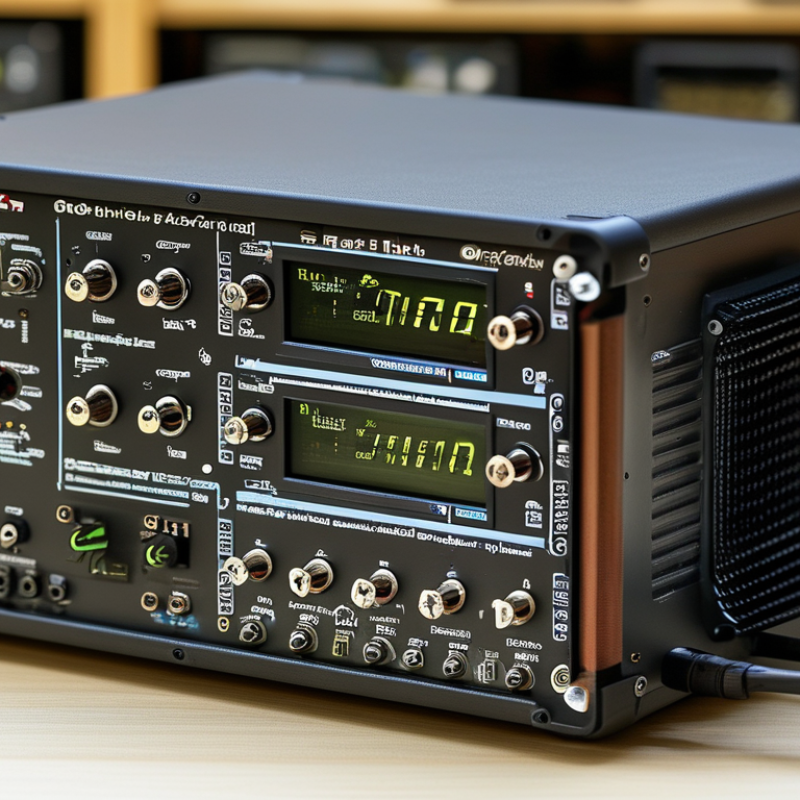
Understanding the basics of dual DC regulated power supplies is essential for anyone involved in electronics. A dual DC regulated power supply typically offers two output channels. Each channel can deliver different voltage levels, which is crucial for various applications. Often, these supplies are used in testing circuits or powering devices that require dual voltage levels.
Key features to consider include voltage range and current output. Many users overlook the importance of current capacity. If the power supply cannot provide sufficient current, it could lead to device failure. Also, stability is a significant factor. An unstable power supply can introduce noise into your circuit, compromising performance. Checking for specifications on load regulation can provide insight into the unit's reliability.
Another aspect to reflect on is the quality of the display and controls. A well-designed interface simplifies adjustments. Keep in mind that an overly complex interface can lead to mistakes during operation. Lastly, it’s wise to consider the thermal management of the power supply. Effective heat dissipation extends the lifespan of the unit, but some designs may fail in high-temperature conditions. Balancing these factors can help you choose a power supply that truly meets your needs.
Key Specifications to Consider When Choosing a Power Supply
When selecting a dual DC regulated power supply, key specifications are critical. Start with voltage and current ratings. Most supplies provide a range between 0-30 volts and up to 10 amps. This range covers most common applications in laboratories and workshops.
Additionally, consider load regulation. A good power supply should maintain output voltage despite changes in load. While many models boast a load regulation of 0.01%, real-world applications often reveal discrepancies. An ideal unit remains stable across different conditions, but variations can adversely affect sensitive projects or experiments.
Thermal performance is another crucial specification. Many supplies generate heat during operation, which can affect both the device and surrounding components. Look for units equipped with efficient heat sinks or built-in fans. According to a report by the Institute of Electrical and Electronics Engineers, overheating can shorten a power supply's lifespan by up to 20%. Therefore, evaluating thermal management features is essential for long-term reliability.
Evaluating Power Output and Voltage Regulation Features
When evaluating power output and voltage regulation features in a dual DC regulated power supply, precise assessment is critical. The power output should match your project's requirements. Check the specifications for voltage range and current capacity. Insufficient power can lead to erratic performance or even damage to components. Understanding how much current the supply can provide is essential.
Voltage regulation is equally important. A well-regulated power supply maintains consistent voltage under varying loads. Look for specifications indicating load regulation and line regulation. These metrics reveal how much the voltage changes with load fluctuations. Supplies with tighter regulation are often highly reliable. Be cautious, though, as cheap options may appear appealing but often fail to maintain stable output, potentially leading to project failures.
Another often overlooked feature is ripple voltage. This aspect reflects the fluctuations in output voltage. A low ripple is crucial for sensitive electronics. Inconsistent voltage can affect performance, leading to unexpected behavior. Take time to analyze and compare these features. Investing in a good quality power supply pays off in the long run, even if the initial cost feels high.
Identifying Safety Features and Compliance Standards
When selecting a dual DC regulated power supply, prioritizing safety features and compliance standards is crucial. Look for supplies featuring overvoltage protection (OVP) and overcurrent protection (OCP). These features shield your projects and sensitive components from damage. According to the International Electrotechnical Commission (IEC), power supplies must meet specific safety regulations to reduce risks associated with electrical hazards.
Verify compliance with industry standards like CSA and UL. These certifications ensure that a power supply has undergone rigorous testing. A 2022 report revealed that 42% of electrical failures stemmed from inadequate safety features. This statistic highlights the importance of carefully choosing a power supply that meets these standards.
Additionally, consider thermal management features. Efficient heat dissipation minimizes risks associated with overheating. According to the latest data, nearly 30% of device failures are linked to thermal issues. A power supply that effectively manages its temperature can improve reliability and longevity. Always remember, not all units will perform consistently under load. Regular testing and monitoring can reveal potential issues, helping to refine your selection process.
How to Choose the Best Dual DC Regulated Power Supply? - Identifying Safety Features and Compliance Standards
| Feature | Description | Importance | Compliance Standards |
|---|---|---|---|
| Overvoltage Protection | Prevents output voltage from exceeding the specified limit. | High importance to protect connected devices. | IEC 61010, UL 61800-5-1 |
| Overcurrent Protection | Limits the current output to protect against short circuits. | Essential for safety and equipment longevity. | IEC 60950, CSA C22.2 |
| Short Circuit Protection | Automatically shuts down the power supply in case of a short circuit. | Critical for preventing fire hazards. | UL 60950-1, IEC 60529 |
| Temperature Protection | Monitors temperature and prevents overheating. | Very important for maintaining optimal performance. | ISO 9001, IEC 61000 |
| Isolation Features | Ensures safe separation between input and output circuits. | Important for user safety and preventing electric shock. | UL 1577, IEC 61140 |
| Regulation Type | Linear or switching regulation affects noise and efficiency. | Choosing the right type affects performance. | N/A |
Assessing Brand Reputation and Customer Reviews for Reliability
When selecting a dual DC regulated power supply, evaluating brand reputation is essential. Brands with a strong track record often indicate reliability. Look for manufacturers known for quality. Customer reviews can provide valuable insights. Seek products with consistent positive feedback. Focus on detailed reviews that discuss performance over time.
Some users may express concerns about specific features, like voltage stability. This can indicate a potential issue. Pay attention to critical reviews. These can reveal common problems that may not show in positive ratings. Comparing reviews across different platforms can also help validate the credibility of feedback.
Consider the frequency of user complaints about defects or failures. This can be a red flag. However, occasional negative reviews may not reflect the whole picture. Analyze trends in customer experiences to form a balanced view. A thorough assessment will enhance your decision-making process and ensure you choose a power supply that meets your needs.
Customer Reviews of Dual DC Regulated Power Supplies
FAQS
: Prioritize overvoltage protection (OVP) and overcurrent protection (OCP) for added safety.
Compliance with standards like CSA and UL ensures rigorous testing and reduces electrical hazards.
A 2022 report indicates 42% of failures arise from inadequate safety features.
Efficient heat dissipation reduces overheating risks, impacting reliability and longevity.
Look for manufacturers with a strong track record and consistent positive customer feedback.
Focus on detailed reviews about performance and watch out for critical feedback on voltage stability.
Frequent complaints could signal issues; however, occasional negatives may not reflect overall quality.
Regular testing reveals potential issues and ensures the power supply performs consistently under load.
Yes, comparing reviews helps validate credibility and provides a more comprehensive view.
Reviews may highlight issues like voltage stability or defects that affect performance.
Conclusion
When selecting the best Dual DC Regulated Power Supply, it’s essential to understand the fundamental aspects of these devices. Key specifications such as output voltage, current rating, and load regulation must be evaluated to ensure the power supply meets your specific needs. Additionally, assessing the power output and voltage regulation features is crucial for maintaining stable and reliable operation across various applications.
Safety features and compliance with industry standards should also be prioritized, as they ensure the device operates securely and meets necessary regulations. Furthermore, considering brand reputation and customer reviews can provide insights into the reliability and performance of the power supply. By carefully evaluating these factors, one can confidently choose a Dual DC Regulated Power Supply that is both effective and dependable for their projects.

Blog Tags: