1. Executive Overview: Demystifying the Modern Electronic Load Instrument
In contemporary power electronics engineering, metrology, and manufacturing QA, the Electronic Load Instrument serves as the fundamental baseline for dynamic power dissipation, stress testing, and performance validation. Unlike passive resistive load banks—which rely on fixed or stepped physical resistors—an electronic load instrument is a solid-state, software-programmable device that actively regulates electrical current, voltage, resistance, or total power absorbing capacity from a connected power source (Device Under Test or DUT).
Global procurement teams, test system integrators, and laboratory managers frequently encounter complex trade-offs when selecting an electronic load instrument. Whether testing EV battery management systems (BMS), server power supply units (PSU), solar photovoltaic inverters, or DC-DC converters, choosing the correct electronic load topology directly impacts measurement accuracy, test throughput, zero-drift calibration stability, and long-term capital operational costs (TCO).
💡 Key Technical Definition: Active Dynamic Regulation
An electronic load instrument continuously modulates power MOSFETs or IGBT arrays in real-time, operating them within their active linear region to sink current according to programmed control loops. Operating modes typically encompass Constant Current (CC), Constant Voltage (CV), Constant Resistance (CR), and Constant Power (CP), with transient response slew rates reaching up to tens of Amperes per microsecond (A/µs).
2. Precision Electronic Load & Test Equipment Portfolio: Product Recommendations
As a leading Indian manufacturer and global exporter with over two decades of engineering authority, Zeal Manufacturing & Calibration Services Pvt. Ltd. designs custom and standard-line test instruments engineered for demanding operational environments. Below is a curated technical breakdown of high-demand electronic load and regulated test solutions recommended for global industrial procurement.
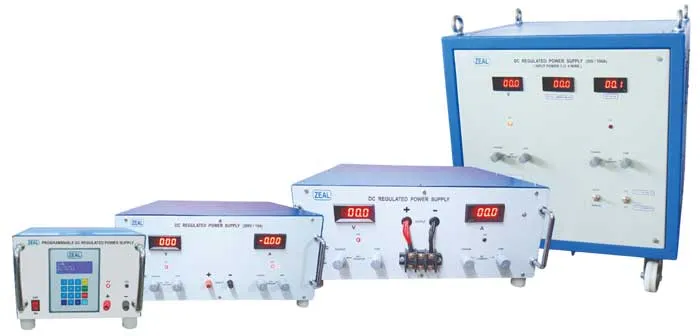
Linear Programmable Electronic Load & Power Unit (ZMPS Series)
Engineered with low-noise linear transistor regulation topology. Eliminates high-frequency PWM switching harmonics, making it the premier choice for calibration laboratories, aerospace sensor evaluation, and high-precision R&D testing requiring load regulation better than ±0.1%.
Contact Us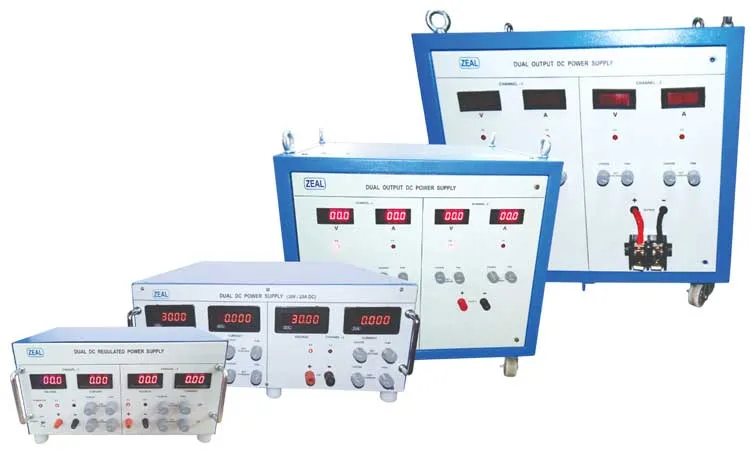
Dual-Channel Independent DC Load Console (ZM2PS Series)
Features two isolated channel banks operating in fully independent or synchronous tracking modes. Designed for simultaneous multi-output DC supply burn-in testing, dual battery pack characterization, and production line QA verification with 3½ digit LED metering accuracy.
Contact Us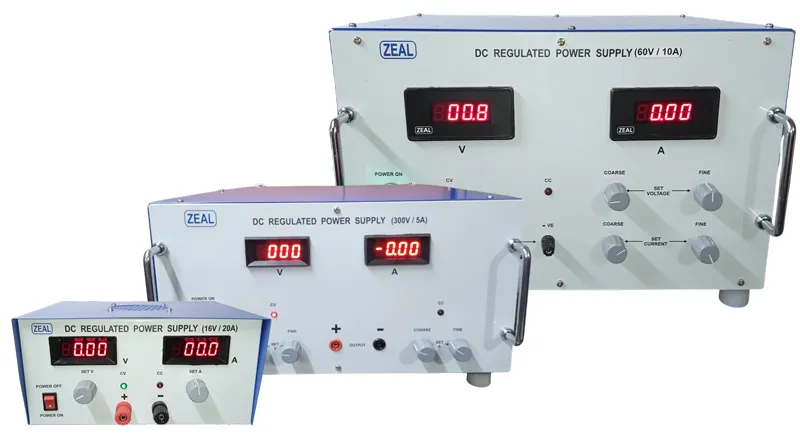
SMPS-Based High-Efficiency Electronic Load System (ZMSMPS)
Utilizes advanced switching mode topology to deliver maximum power absorption density in a compact chassis. Ideal for high-wattage industrial burn-in racks, telecom rectifier testing, and automated test equipment (ATE) integration where heat minimization and space efficiency are paramount.
Contact Us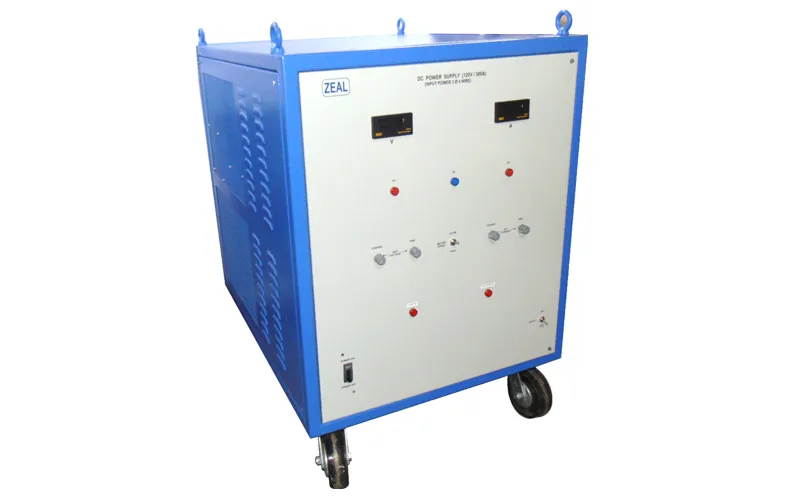
Ultra High-Current Electronic Load Unit (Up to 500A+)
Specifically constructed for heavy electrical applications such as EV battery module discharge testing, busbar contact resistance characterization, plating power source verification, and circuit breaker stress testing. Incorporates forced air/copper busbar cooling systems.
Contact Us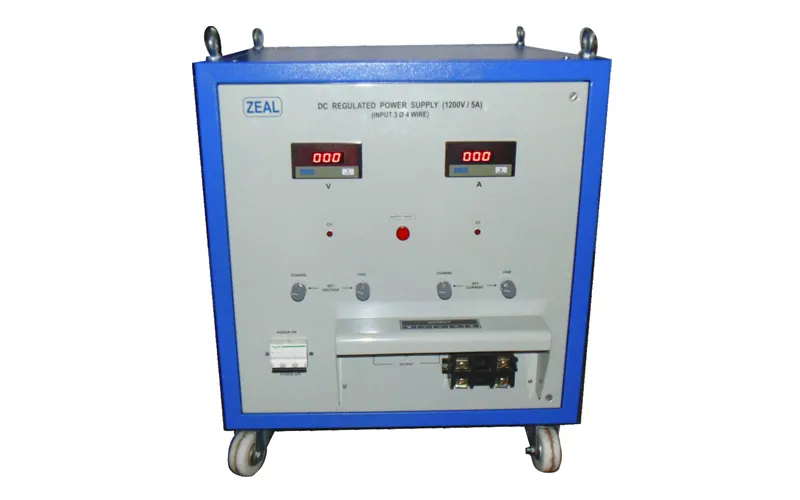
High-Voltage Electronic Load Test Module (Up to 1000V/3000V)
Designed to sink current from high-voltage DC architectures up to 1000V (custom configurable to 3000V). Critical for solar inverter string testing, high-voltage battery pack validation, and insulation dielectric stress characterization under CV and CC modes.
Contact Us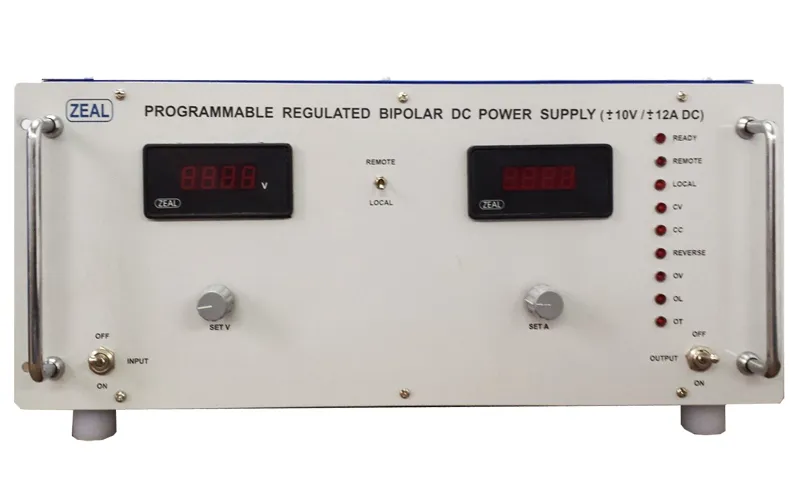
Bipolar Active Electronic Load & Source Instrument (ZMBPS Series)
Provides full four-quadrant operation across positive and negative voltage/current boundaries. Seamlessly transitions between sourcing and sinking energy, perfect for motor back-EMF testing, op-amp transient evaluations, and bi-directional battery charge/discharge cycling.
Contact Us3. Comparative Technology Matrix: Linear vs. Switching vs. Regenerative Electronic Load Instruments
When shortlisting equipment for automated test lines or research facilities, understanding the core physical tradeoffs of electronic load topologies prevents costly operational bottlenecks. Below is an engineering comparison matrix designed by Zeal's senior metrology team.
| Architecture Topology | Primary Operating Advantage | EMI / Noise Level | Dynamic Slew Rate | Power Dissipation Efficiency | Recommended Industrial Application |
|---|---|---|---|---|---|
| Linear Electronic Load | Pure analog control, absolute zero switching noise, fast transient loop response | Ultra-Low (< 0.1% RMS ripple) | Very High (> 10 A/µs) | Low to Moderate (Heat converted across heat sinks) | Calibration Labs, Medical Instrumentation, Sensitive Audio/RF R&D |
| SMPS Switching Electronic Load | Compact rack density, lightweight, high thermal handling capability | Moderate (PWM switching frequency noise present) | Moderate (Limited by LC filter stages) | High Thermal Efficiency | Industrial Burn-In Racks, Server PSU Manufacturing, General QA |
| Regenerative (Grid-Tied) Load | Recycles absorbed DC energy back to AC mains grid (90%+ energy recovery) | Moderate to High (Grid synchronization harmonics) | Moderate | Ultra-High (Low net electricity expense) | EV Battery Pack Cycling, Megawatt Solar Inverter Testing |
| Bipolar 4-Quadrant Load | Crosses zero-voltage boundary smoothly, continuous source and sink | Ultra-Low Linear Design | Extremely High | Moderate (Linear active dissipation) | Automotive Servo Actuators, Battery BMS Transient Emulation |
4. Global Procurement & Future Technology Trends in Electronic Load Instruments
As global industries transition toward electrified transportation, renewable energy microgrids, and high-density AI data centers, the performance demands placed on electronic load instruments are undergoing a structural shift. Procurement managers must anticipate these four macro development trends when writing equipment tenders and specifications:
A. The Rise of Silicon Carbide (SiC) and Gallium Nitride (GaN) Dynamic Testing
Modern power electronics operate at switching speeds exceeding hundreds of kilohertz (kHz). Traditional electronic loads with slow slew rates (e.g., 0.1 A/µs) fail to trigger transient voltage spikes or overshoot failures in SiC/GaN-based power supplies. Procurement criteria now mandate ultra-fast dynamic load programming with programmable rise and fall times under 1 microsecond, ensuring real-world stress conditions are accurately simulated.
B. Transition to Regenerative Energy Recovery Architecture
For high-power testing applications (exceeding 10 kW up to 500 kW, such as electric vehicle traction inverter testing), traditional heat-dissipating resistive electronic loads emit immense thermal energy. This creates a double financial penalty: electricity consumed to power the load plus energy spent on facility HVAC cooling. Future-proof procurement heavily favors grid-tied regenerative loads that feed up to 93% of absorbed energy back to the plant's 415V 3-phase grid.
C. Modbus, SCPI, and Ethernet/LXI Automation Integration
Standalone manual knobs are being replaced by automated test equipment (ATE) rack integration. Global buyers require standard SCPI (Standard Commands for Programmable Instruments) protocol compliance over Ethernet (LXI), USB, RS485, or CAN bus interfaces. This allows central test executive software (LabVIEW, Python scripts, MATLAB) to execute complex, multi-step load profiles automatically.
D. Modular Scalability via Master-Slave Parallel Architecture
Procurement departments are increasingly avoiding single monolithic high-power loads in favor of modular frame systems. Parallel master-slave control mechanisms allow engineers to connect multiple 1 kW or 2 kW load modules in parallel to absorb hundreds of Amperes during peak testing, while unlinking them for independent testing during off-peak periods.
Need Custom Voltage or High-Current Load Configurations?
Our engineering team in Pune, India custom-manufactures Electronic Load Instruments and DC Power Supplies tailored to your exact voltage, current, and interface specifications.
Contact Us5. Zeal Manufacturing: Decades of Engineering Excellence & Trust
Selecting an instrumentation partner requires verifying manufacturing infrastructure, quality certifications, and long-term calibration support. Zeal Manufacturing & Calibration Services Pvt. Ltd. stands as a premier manufacturer, supplier, and exporter rooted in Pune, Maharashtra, India.
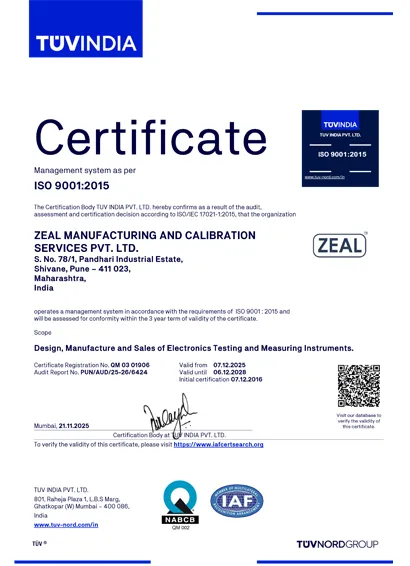
- ISO 9001:2015 Quality Certification: Rigorous quality management systems govern every stage of production—from raw transformer winding and PCB assembly to thermal burn-in stress testing.
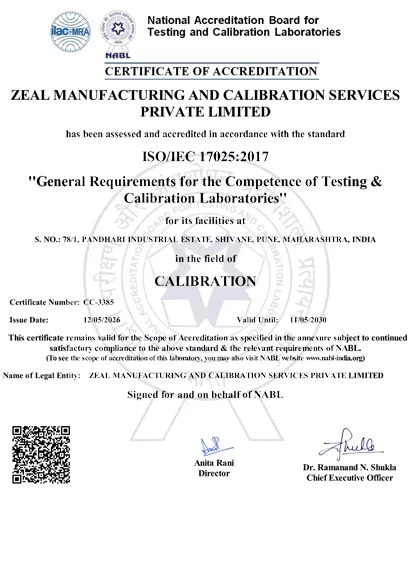
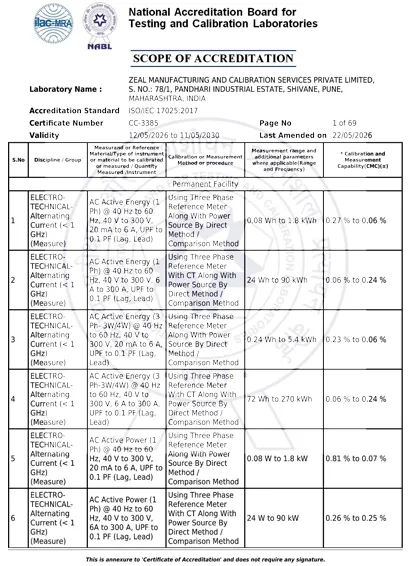
- NABL Accredited Calibration Laboratory (CC-3385): Our in-house calibration facility possesses direct traceability to national standards, offering certified calibration scope for Electro-Technical parameters.
- Zero EMI Linear Engineering Expertise: Unlike standard off-the-shelf commercial suppliers, Zeal specializes in zero-noise linear topologies, delivering uncompromised signal purity for metrology and defense applications.
- Global Export Footprint (60+ Countries): Zeal instruments are deployed across North America, Europe, the Middle East, Southeast Asia, and Africa. Every export unit can be custom-wired to support local utility mains voltages (110V AC 60Hz, 230V AC 50Hz, 415V AC 3-Phase).
- Robust Overload & CC Mode Protection: Built-in safeguards include continuous short-circuit protection, over-voltage protection (OVP), over-current protection (OCP), over-power protection (OPP), and over-temperature shutdown (OTP).